
How to Manage Achilles Tendinitis Pain and Swelling
posted: Feb. 21, 2025.
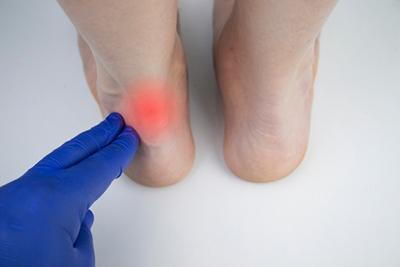
Achilles tendinitis can make even the simplest movements feel like a challenge. This condition, which causes pain and swelling in the tendon that connects your calf muscles to your heel, is often the result of overuse or strain. If left untreated, it can interfere with your daily activities and even lead to more serious problems. At Grace Foot and Ankle Center in Rancho Cucamonga, CA, Dr. Michael J. Kim, DPM, PC, specializes in diagnosing and treating Achilles tendinitis. With personalized care and advanced treatment options, our team is here to help you manage your symptoms and get back on your feet.
Understanding Achilles Tendinitis
Achilles tendinitis occurs when the Achilles tendon becomes inflamed or irritated. This tendon is the largest in your body and plays a crucial role in walking, running, and jumping. Repetitive stress, sudden increases in physical activity, or wearing improper footwear can all contribute to this condition. It is especially common in runners, athletes, and individuals who spend a lot of time on their feet.
The most common symptoms of Achilles tendinitis include pain and stiffness in the back of the heel, swelling, and tenderness. The pain often worsens with activity and may feel more intense in the morning or after periods of rest. If you are experiencing these symptoms, it is important to seek professional care to prevent further damage.
Managing Pain and Swelling
Managing Achilles tendinitis starts with reducing pain and swelling. Rest is one of the most effective ways to allow the tendon to heal. Avoid activities that aggravate the pain, such as running or jumping, and give your body time to recover. Applying ice to the affected area can help reduce swelling and provide relief. Elevating your foot when resting can also minimize inflammation.
At Grace Foot and Ankle Center, Dr. Kim may recommend additional treatments to support your recovery. Physical therapy is often a key part of managing Achilles tendinitis. Stretching and strengthening exercises can improve flexibility and reduce strain on the tendon. Custom orthotics or heel lifts may also be prescribed to provide support and reduce pressure on the Achilles tendon.
For more severe cases, advanced treatments such as shockwave therapy or corticosteroid injections may be considered. These options can help reduce inflammation and promote healing. Dr. Kim will work with you to create a personalized treatment plan that addresses your specific needs and goals.
Preventing Future Flare-Ups
Once your symptoms are under control, it is important to take steps to prevent Achilles tendinitis from returning. Gradually increasing the intensity of your physical activities can help avoid overloading the tendon. Wearing supportive footwear that fits properly is also essential. Stretching your calf muscles regularly can improve flexibility and reduce tension on the Achilles tendon.
Why Choose Grace Foot and Ankle Center
At Grace Foot and Ankle Center, we understand how frustrating and limiting Achilles tendinitis can be. Dr. Kim brings years of experience and expertise to every patient he treats. Located in Rancho Cucamonga, CA, our practice is dedicated to providing compassionate, personalized care for all your foot and ankle needs. Whether you are dealing with mild discomfort or severe pain, we are here to help you find relief and get back to doing the things you love.
Visit our website at www.gracefootanklecenter.com to learn more about our services and schedule an appointment.